Local Government

Supporting Civic Infrastructure and Strengthening Community Connection

SVC is a long-standing supplier of durable civil products and customised infrastructure solutions to support the needs of local government in Victoria and beyond. With a strong focus on quality, longevity and sustainability, SVC’s product solutions for council drainage, passive irrigation and traffic management are designed to enhance urban environments and support efficient public infrastructure.

Ranging from high-strength concrete pits and drainage components to functional urban design elements and hostile vehicle mitigation solutions, our extensive product range supports the delivery of safer, more resilient public spaces. We work closely with councils, engineers and landscape architects to tailor outcomes specific to local site requirements and constraints, creating purpose-built products that are fit for application.

Our commitment to innovation and collaboration, backed by decades of industry expertise, makes SVC a respected and trusted partner to local government, helping to build safer, greener cities.

CATEGORIES

Roadworks & Maintenance

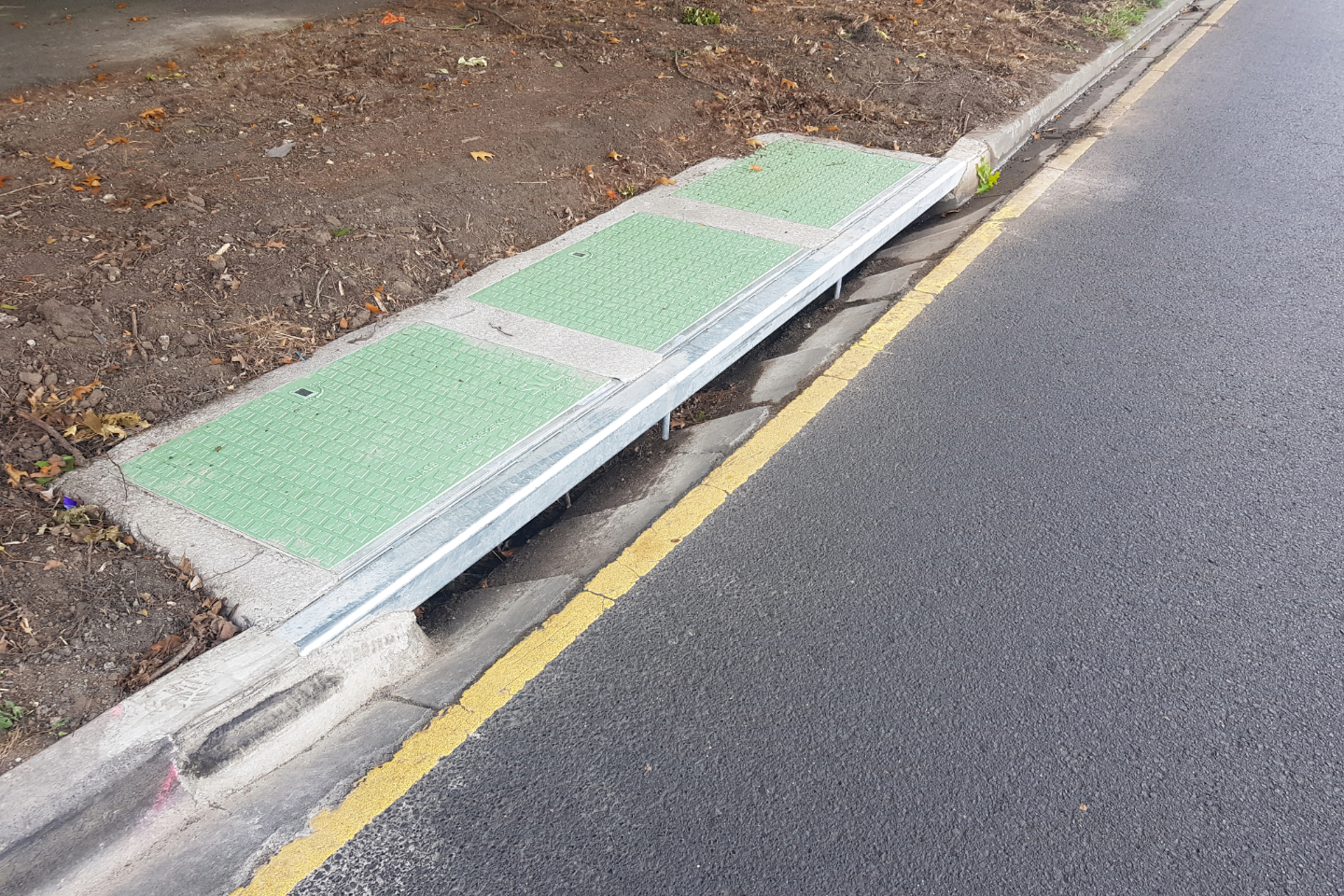
SVC is one of Victoria’s oldest suppliers of municipal drainage assets, amassing an extensive offering of roadside access covers, kerb lintels and associated products that cater to each council’s specific standard drawings and design requirements. Our partnership with local government incorporates the reliable supply of legacy items that are highly stocked and readily available.

Stormwater & Drainage

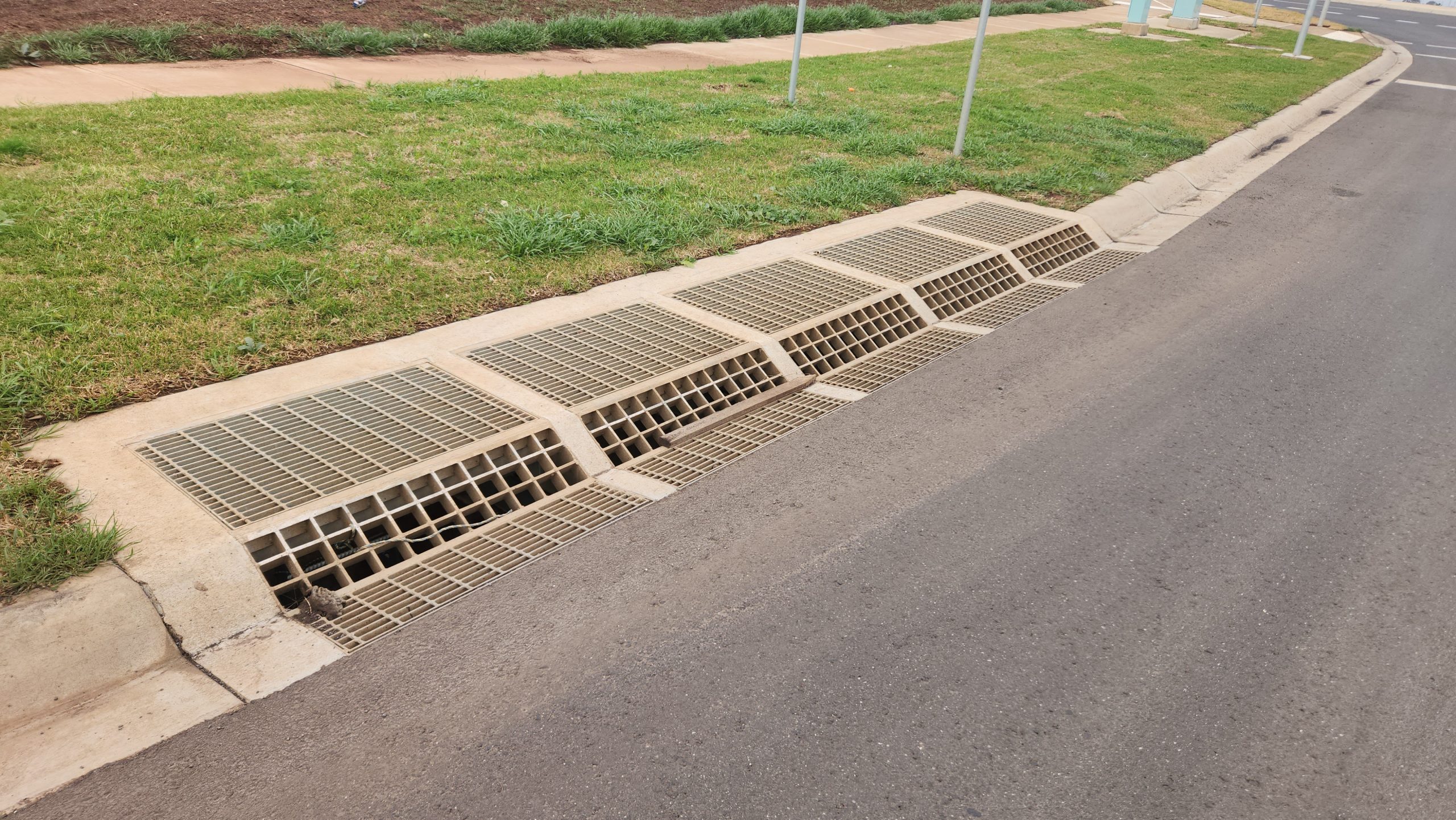
Effective stormwater and drainage systems are crucial for council management of road runoff, reducing flooding risks and protecting municipal infrastructure. SVC supports councils with a wide variety of stormwater grates and drainage components, stocked across 3 locations in Victoria. We also work closely with councils to develop new product innovations for unique or emerging requirements.

Passive Irrigation

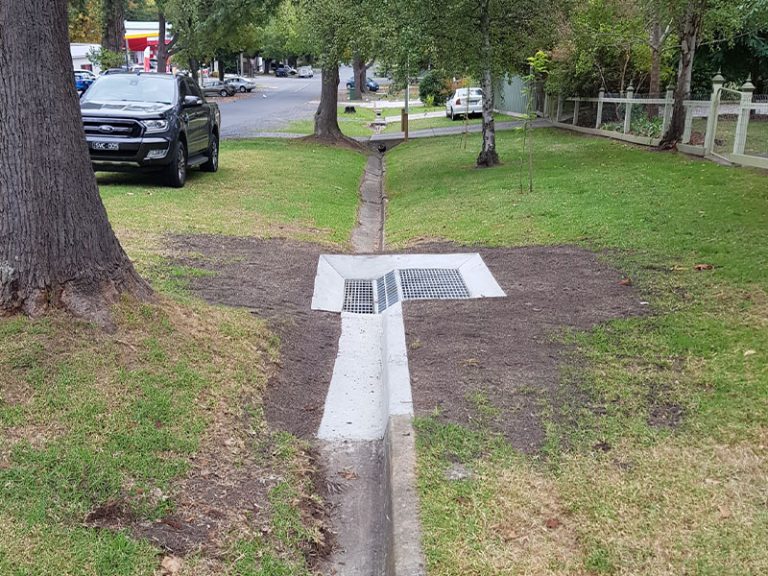
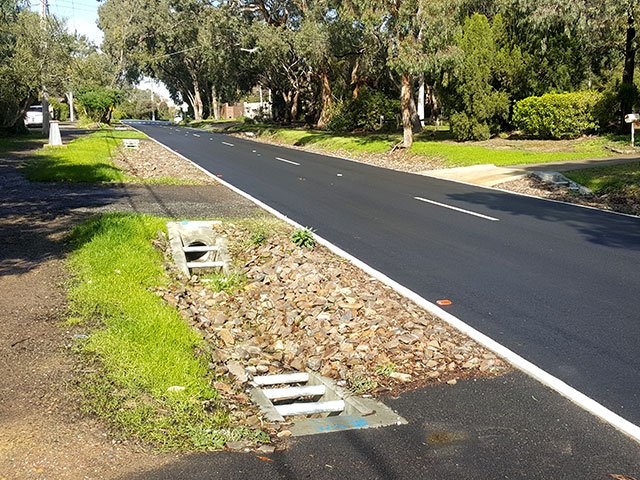
In collaboration with the City of Monash, SVC has developed a suite of products that enable councils to efficiently manage water usage, capturing road runoff for passive irrigation of street trees and garden beds. The system filters out debris before diverting the stormwater into an underground soil vault that slowly nourishes the root system, greatly reducing the need for manual watering.

Kerbing & Traffic Management

Densely populated urban areas require traffic management strategies to ensure safe and efficient movement. SVC supplies components to support municipal road planning such as on-road speed deterrents and robust precast kerbing solutions. Compared to alternative materials such as rubber and stone, these precast concrete solutions resist deterioration and provide long-term performance, creating clear designations for vehicle-only areas and improving road safety.

Public Parks & Open Spaces

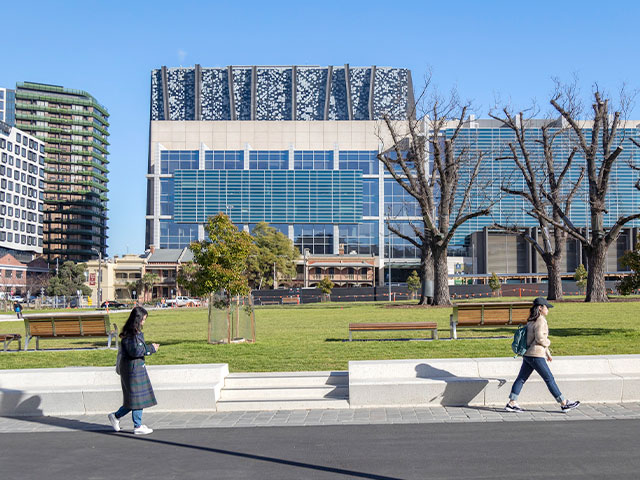
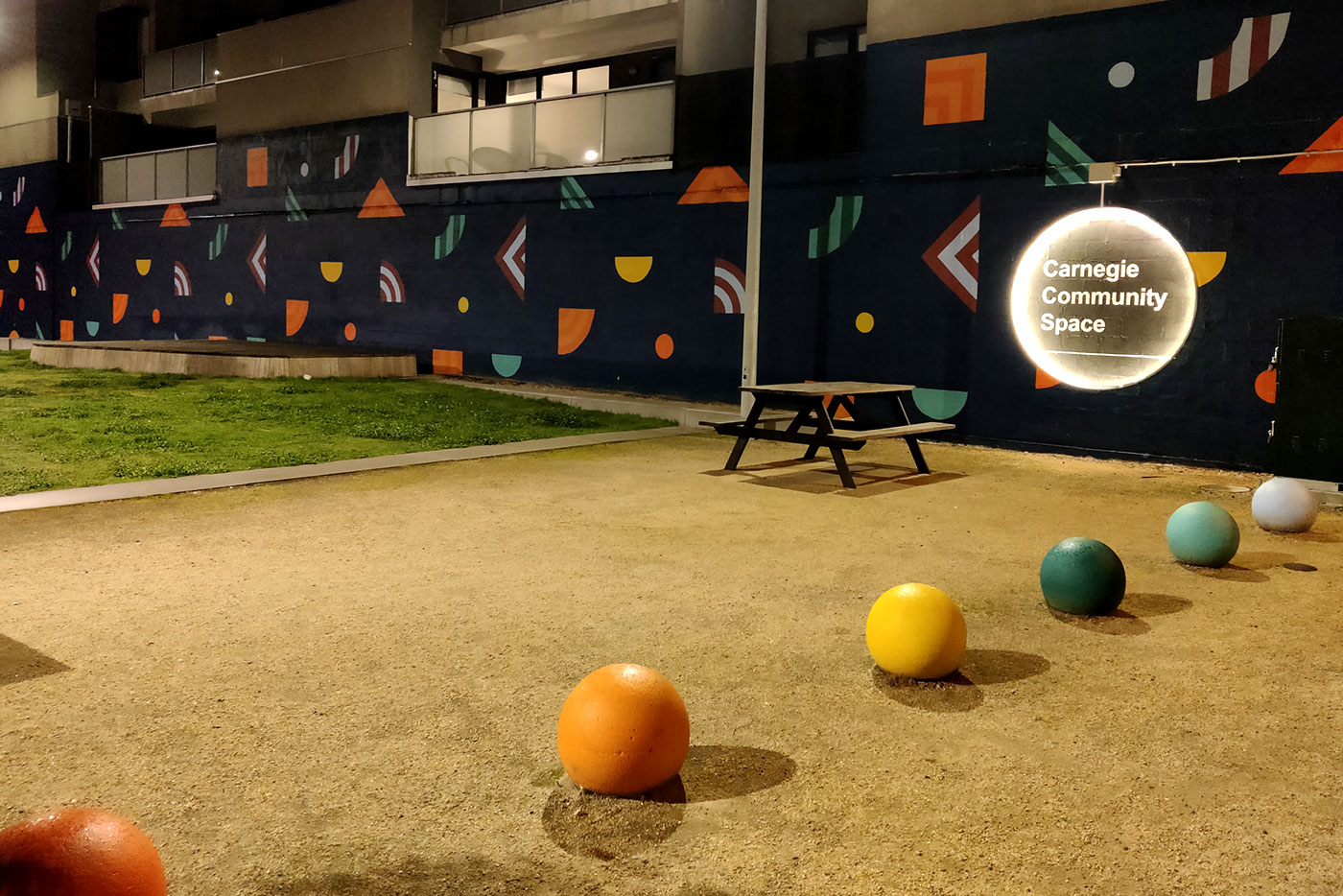
Councils are responsible for the provision of safe and accessible open public spaces to service their local communities, endorsing a healthy outdoor lifestyle. The installation of architectural concrete furniture and landscape features encourages user interaction in public parks and squares, as these elements provide both functional and aesthetic value. View the range of outdoor products available via our sister company Anston Architectural Products.

Hostile Vehicle Mitigation

Pedestrian safety is a key consideration in the design of public open spaces. Councils can effectively protect pedestrian areas through careful zoning, supported by the deployment of HVM products where needed. SVC’s subsidiary Anston Architectural Products offers a variety of heavy-duty concrete bollards, planters and landscape elements that provide enduring pedestrian protection while beautifying streetscapes and open spaces.

CLIENTS WE’VE WORKED WITH

Products For Local Government

17.498 Bike Lane Kerb End

Bike Lane Separation Kerbs

SVC's innovative Bike Lane Kerb Separators provide safe physical dividers between bicycle and car traffic, with different kerb profiles on either side to cater to the relevant road user needs. They provide a long-lasting permanent solution for on-road bike lanes.
PROD_StockPits+Risers

Stock Pits & Risers

SVC's standard range of precast concrete knockout pits and risers are applicable for use in new or existing stormwater infrastructure.
PROD_ReadyReplacementCover

Ready Replacement Covers

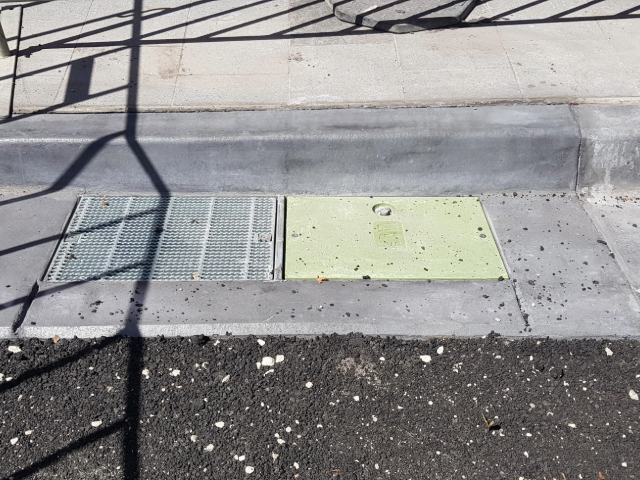
Utilising a lightweight polymeric insert housed within a robust concrete frame, Ready Replacement Covers offer a simple solution for councils to easily replace damaged drainage pit covers with a high-performing, durable product.
PROD_GridLiteEvo

GridLite Evo Lightweight Covers

GridLite Evo is an evolutionary range of lightweight polymeric access covers for roadworks, maintenance and construction. These durable lightweight covers weigh just 25kg each and are compliant with Load Class B as per AS3996:2019.
PROD_Ductile-Iron-Covers

Ductile Iron Covers

Ductile iron (cast iron) access covers are used in a wide range of civil applications. They are load-tested and compliant with AS3996:2019 in Classes B, D and E, and are manufactured with a standard bolt-down facility for security.
PROD_Precast-Covers

Precast Concrete Covers

Precast concrete covers are traditionally used to provide a strong, secure cover for junction and side entry stormwater pits. They are extremely durable and resistant to extreme weather conditions, and remain the main cover option for many municipalities.
PROD_Flat-Grates

Flat Stormwater Grates

Flat grates by SVC are a high-value, low-cost solution for off-road and behind-kerb storm water drainage applications. Available in various sizes and load classes with a bike-safe forgebar design.
PROD_PassiveIrrigation

Passive Irrigation Systems

SVC has developed a fully-contained, easy-install kerbside inlet that captures and diverts road runoff into underground systems, enabling the passive irrigation of street trees and garden beds.
PROD_Kerb-Lintels

Kerb Lintels

SVC is the major Victorian manufacturer of precast kerb lintels in Victoria. Our broad product range complies with VicRoads and Victorian council specifications, with multiple options for both barrier (B) or rollover (SM) kerb profiles.
PROD_Precast-Kerbs

Precast Kerbs

SVC's exposed aggregate concrete kerbs are used extensively in the City of Melbourne and surrounds, creating road edging and median strips that offer years of enduring performance and visual appeal in the outdoor environment.
PROD_Spiked-Kerbs

Spiked Kerbs

Available in a barrier-type or semi-mountable profile, spiked kerbs provide a convenient traffic separation solution that can be quickly installed onto the road surface using kerb spikes.
PROD_Wheel-Stops

Wheel Stops

Concrete wheel stops are installed in car parks to prevent vehicles from mounting pedestrian walkways or hitting walls when parking.
PROD_Road-Humps

On-Road Speed Humps

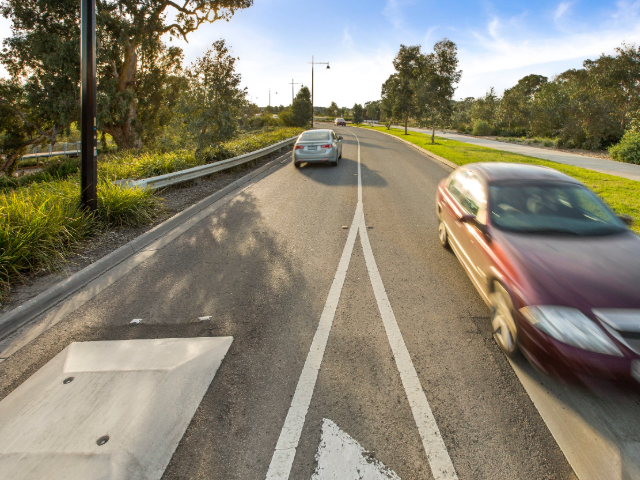
With excellent strength and durability, precast concrete speed humps provide a reliable, long-lasting solution for slowing down vehicle traffic.

Contact Us Today

Operating since 1948, SVC Products is a well-respected local manufacturer and supplier of high quality products to the civil construction industry.

Contact our friendly team to discuss your next project.

Frequently asked questions

Are SVC’s driveable endwalls approved for VicRoads applications?

Yes, SVC's driveable endwalls are manufactured in compliance with the requirements of VicRoads SD 1991A (Type 1).

How are driveable endwalls different from a standard headwall or winged endwall?

Standard headwalls and endwalls typically do not accommodate vehicular loading, and have wingwalls that fan out on either side to prevent soil erosion. In contrast, a driveable endwall features a sloped profile with parallel walls that are laterally braced with galvanised steel tubing. This gives them the required additional strength to be safely exposed to vehicular traffic loads.

What is a driveable endwall used for?

It's used at the end of a drainage pipe, typically where it passes under a driveway or access track. Made with high-strength reinforced concrete and galvanised steel bars for additional bracing, driveable endwalls are designed to accommodate vehicular loading in trafficked areas.

How do I know which kerb lintel I need?

To confirm which kerb lintel is required for your project, best practice is to consult the asset owner. Local councils and VicRoads have publicly available standard drawings that denote the specific dimensions and requirements of kerb lintels to be used in their jurisdiction.

If the kerb lintel is being used in an off-road or privately-owned project and does not require compliance with council or VicRoads, customers can select whichever option is best suited for their project.

Variations in kerb lintels include the overall length of the unit, the width of the throat opening, the kerbing profile (B or SM-type), and whether it has legs or is a beam only.

Can you incorporate colour or reflective markings into precast kerbs?

SVC's precast kerbing range - including traffic median kerbs, spiked kerbs, wheel stops, bike separator kerbs and speed humps - is produced in our standard high-strength concrete mix, supplied in an industrial grey concrete colour. This provides a clean blank canvas that allows the client to paint, stencil or add reflective markings to the kerbing products for applications where high-visibility is required.

How are SVC’s Bike Lane Separators installed?

SVC's precast bike lane separator units are designed to be installed 125mm beneath the road surface, which sets them deeper into the road, adding extra stability and preventing displacement. The units should be lifted into place using lifting clutches that can be connected to the steel lifting anchors that are cast into the top surface of each unit.

Each bike kerb unit can be connected to the adjoining unit using 13mm dia dowel connectors, inserted into the unit's dowel voids. A high-strength epoxy adhesive can be used on the base of each unit to create a secure bond with the surface beneath, though this is not a mandatory step.

Why use concrete kerbs instead of plastic or rubber alternatives?

Opting for high-strength precast concrete kerbs creates a solid barrier that offers genuine physical protection, thanks to the material's excellent performance in the outdoor environment and its resistance to degradation, wear and tear. They are a resilient, long-lasting asset in comparison with other materials such as plastic or rubber kerbing options, which are easily damaged upon vehicular impact and require frequent replacement.

What is a kerb lintel and what is it used for?

A kerb lintel is a precast concrete beam installed within the kerb and channel over a side entry stormwater pit. It captures stormwater collected from the road via a central opening or throat, diverting it into the local drainage network.

Kerb lintels, sometimes referred to as overflow kerbs, are available in various styles that are specific to the council or kerbing profile on-site. Each unit provides structural support for the kerb and gutter while allowing stormwater to flow into the pit.

How do you join the sections of precast kerb?

The kerb sections are laid end-to-end on a prepared flat base made from concrete, crushed rock or a mortar bed. The edges of the units are butted up together and can be joined with or without adhesive. As they are designed to be installed slightly lower than the road surface, the surrounding asphalt reduces the likelihood of the kerbs moving around.

Are different kerb shapes and profiles available?

SVC's most popular option for precast metropolitan kerbs is our distinctive 300x200 barrier kerb profile, which is listed on the City of Melbourne design specification. This kerb profile is available in a variety of different sizes i.e. 1m straights and multiple radial options.

Other kerb profiles are also available, such as 200x200, 300x300 and 500x200 profiles - these options are much less popular and have fewer varieties compared to the 300x200 range.

What is the advantage of precast kerbing over pouring on-site?

Compared to forming up concrete kerb on-site, installing precast kerbs offers superior quality control and reduced installation time. In-situ kerb installation requires time and labour to prepare formwork, pour and shape concrete on-site, plus a minimum of 24-48 hours for the kerbing to set and dry after installation. In comparison, precast kerbs are delivered to site ready for immediate installation and do not require any further curing time after installation.

Thanks to the controls of a factory manufacturing environment, precast kerbs are often stronger in compressive strength than in-situ concrete. They also exhibit a visually appealing exposed aggregate finish made possible by the shot-blasting of the kerb units during manufacture. All work is completed at the factory prior to installation, meaning the kerbing units arrive on site ready to install as finished products.

How are spiked wheel stops installed?

The wheel stop is placed in the correct position, and holes are drilled through pre-formed voids into the pavement below. Galvanized steel spikes are then driven through the unit into the ground.

GET A QUOTE

Request information